
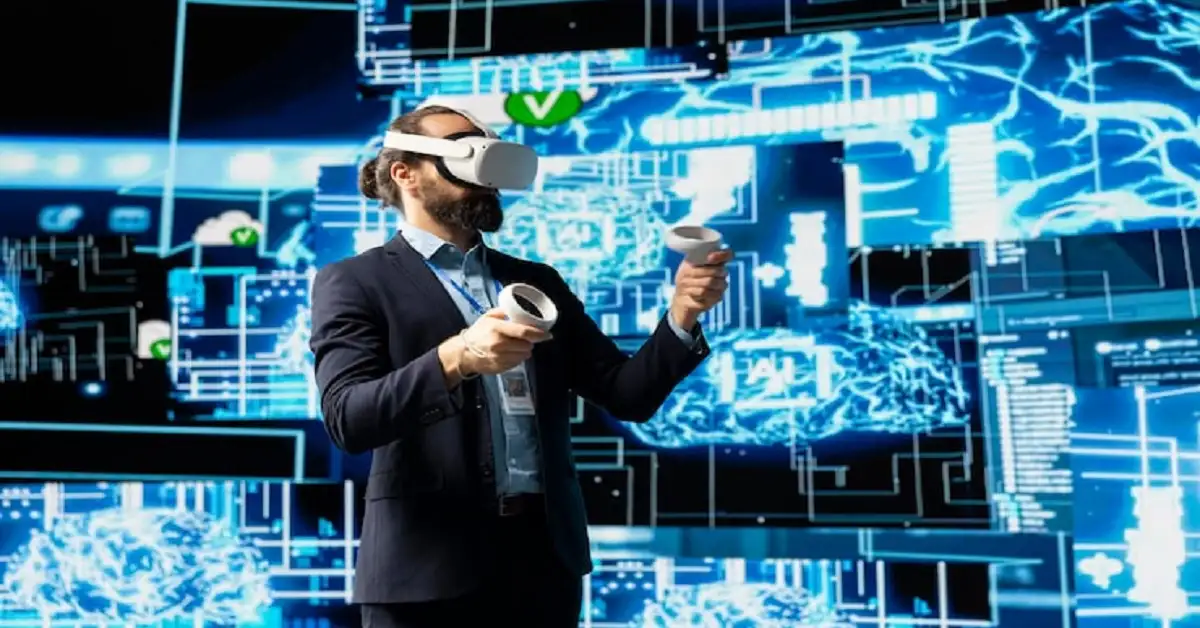
Technology has become the backbone of modern society, shaping the way we live, work, and interact. From smartphones to artificial intelligence (AI), the innovations of the 21st century are transforming industries and redefining human potential. This article explores the current trends, applications, and challenges of technology in our rapidly evolving world.
The Rise of Artificial Intelligence
Artificial intelligence is no longer a concept of science fiction; it is a reality that is revolutionizing multiple sectors. AI refers to systems that can learn, reason, and perform tasks typically requiring human intelligence. Machine learning, a subset of AI, enables systems to analyze data, recognize patterns, and make predictions. For example, in healthcare, AI-powered diagnostic tools can identify diseases from medical images faster and more accurately than human experts. Similarly, AI-driven chatbots and virtual assistants are enhancing customer service across industries by providing instant, personalized responses.
Internet of Things (IoT) and Connectivity
The Internet of Things, or IoT, refers to the network of physical devices embedded with sensors and software, capable of collecting and exchanging data. Smart homes, wearable devices, and connected cars are prime examples of IoT applications. IoT technology improves efficiency, convenience, and safety. For instance, smart thermostats optimize energy usage, while IoT-enabled medical devices allow remote monitoring of patient health. As 5G networks expand, IoT devices will operate faster and more reliably, enabling real-time data transfer at an unprecedented scale.
Cloud Computing and Data Management
Cloud computing has transformed the way businesses store, process, and manage data. By offering on-demand access to computing resources over the internet, cloud technology eliminates the need for expensive on-site infrastructure. Companies can scale their operations quickly, collaborate remotely, and leverage powerful analytics tools. Cloud computing also fuels other technologies, including AI and IoT, by providing the computational power necessary to process massive amounts of data efficiently. This shift has also democratized access to advanced technology, allowing small businesses to compete with larger enterprises.
Blockchain and Cybersecurity
Blockchain technology, initially popularized by cryptocurrencies, is redefining how digital information is stored and secured. Its decentralized and tamper-proof structure ensures transparency and trust in various applications, from financial transactions to supply chain management. In an era where cyber threats are increasing in sophistication, blockchain enhances security by reducing the risk of data manipulation and fraud. Additionally, advancements in cybersecurity, powered by AI and machine learning, help organizations detect anomalies, prevent breaches, and protect sensitive information.
Robotics and Automation
Robotics and automation are reshaping industries by improving efficiency, precision, and safety. Manufacturing plants employ robotic arms to assemble products with high accuracy, reducing human error and labor costs. In agriculture, drones and automated machinery monitor crops, optimize irrigation, and enhance yield. Even in the service sector, automation is increasingly used to handle repetitive tasks, freeing human workers to focus on creative and strategic responsibilities. As robotics continue to evolve, they are expected to work alongside humans in collaborative environments, complementing rather than replacing human capabilities.
Virtual Reality (VR) and Augmented Reality (AR)
Virtual and augmented reality technologies are redefining how people experience digital content. VR immerses users in entirely digital environments, while AR overlays digital information onto the physical world. Both technologies have significant applications in education, healthcare, gaming, and retail. For example, surgeons can use AR to visualize complex anatomy during operations, enhancing precision and safety. Meanwhile, VR training simulations allow employees to practice real-world scenarios in a risk-free environment, improving skills and productivity.
Ethical and Social Implications
While technology offers immense benefits, it also presents ethical and societal challenges. AI and automation, for instance, may lead to job displacement, requiring new strategies for workforce development. Privacy is another major concern, as connected devices and data-driven systems collect vast amounts of personal information. Additionally, AI algorithms can inadvertently perpetuate biases present in training data, leading to unfair or discriminatory outcomes. Addressing these challenges requires responsible design, regulation, and public awareness to ensure technology serves humanity rather than undermines it.
The Future of Technology
Looking ahead, technology will continue to evolve at an exponential pace. Emerging fields like quantum computing promise to solve problems previously considered unsolvable, while advancements in biotechnology could revolutionize medicine and agriculture. The convergence of AI, IoT, cloud computing, and other innovations will create intelligent ecosystems capable of autonomous decision-making, predictive analytics, and enhanced personalization. However, balancing technological progress with ethical considerations, privacy protection, and societal well-being will remain critical.
Conclusion
Technology has become an inseparable part of modern life, driving innovation, productivity, and convenience. From AI and IoT to blockchain and VR, the applications of technology are reshaping industries and enhancing human potential. At the same time, ethical, social, and security challenges must be addressed to ensure that technological advancements benefit society as a whole. By embracing innovation responsibly, humanity can harness technology to create a smarter, safer, and more connected world.